The blog
One principle, read from many sides.
Few articles, but in full. Research, culture, sport, stage, medicine: the same two-sided body seen from different angles. No short pieces made to make noise — only things worth stopping for.
Filter by field
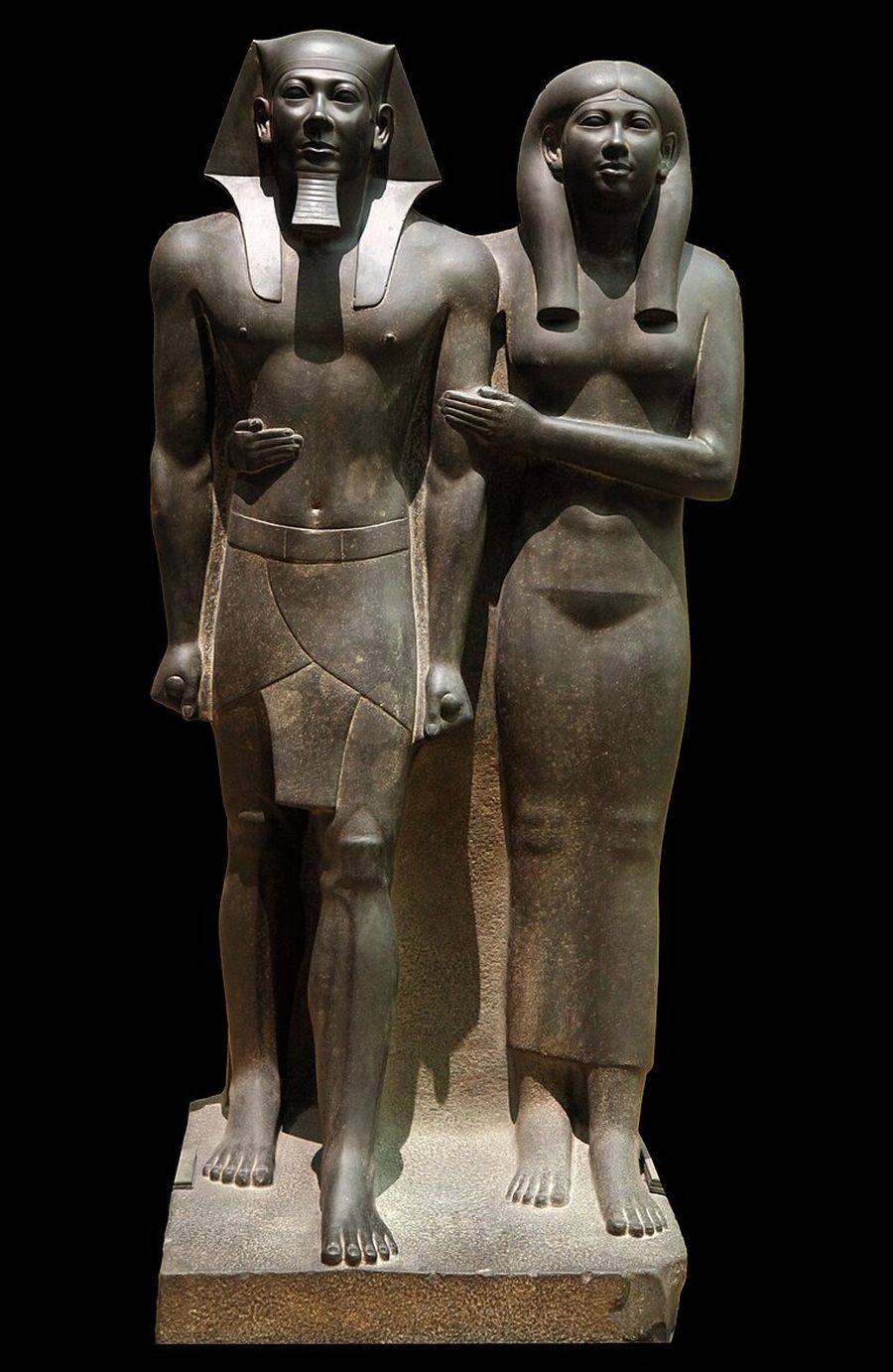
The false stride: Menkaure and the anchored body
The upper half says «I can go anywhere», the lower «I go nowhere». A bilateral reading of a 4th-dynasty statue.
Read →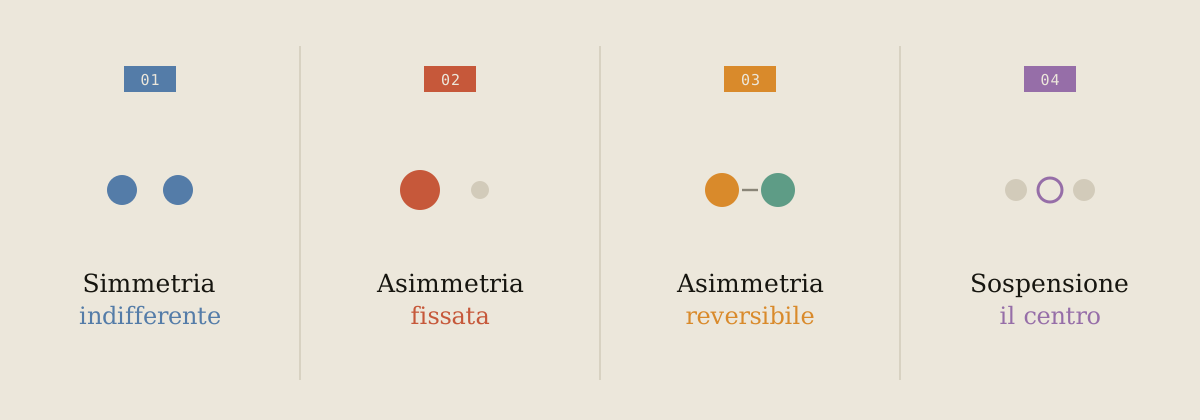
What is a bilateral image
Not because it shows two sides: every body has two. It is when it makes a choice visible. Four regimes for reading images.
Read →
Postural training: how to actually improve your posture
Exercises work as long as you think about them: the moment you stop, your shoulders go back. Posture isn’t a shape to hold but the residue of how movement starts. What to do so it lasts.
Read →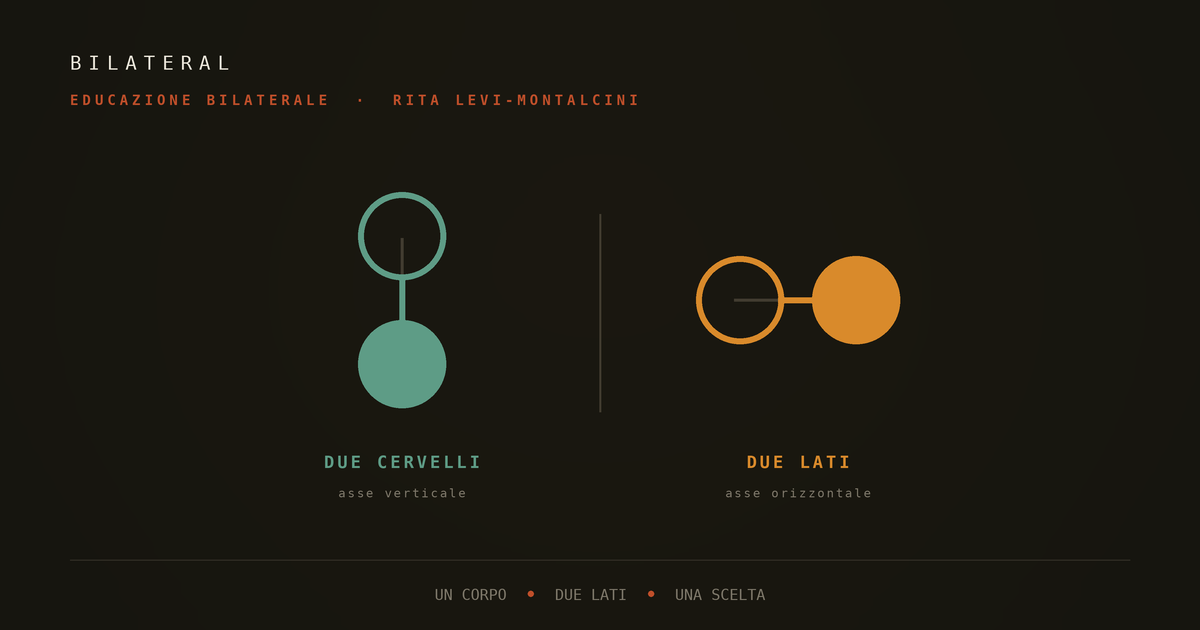
Bilateral Education and Rita Levi-Montalcini: two brains, two sides
Searching «bilateral education» brings up her. But her «bilateral» is the two brains; ours, the two sides of the body. Two homonymous concepts — and a possible extension.
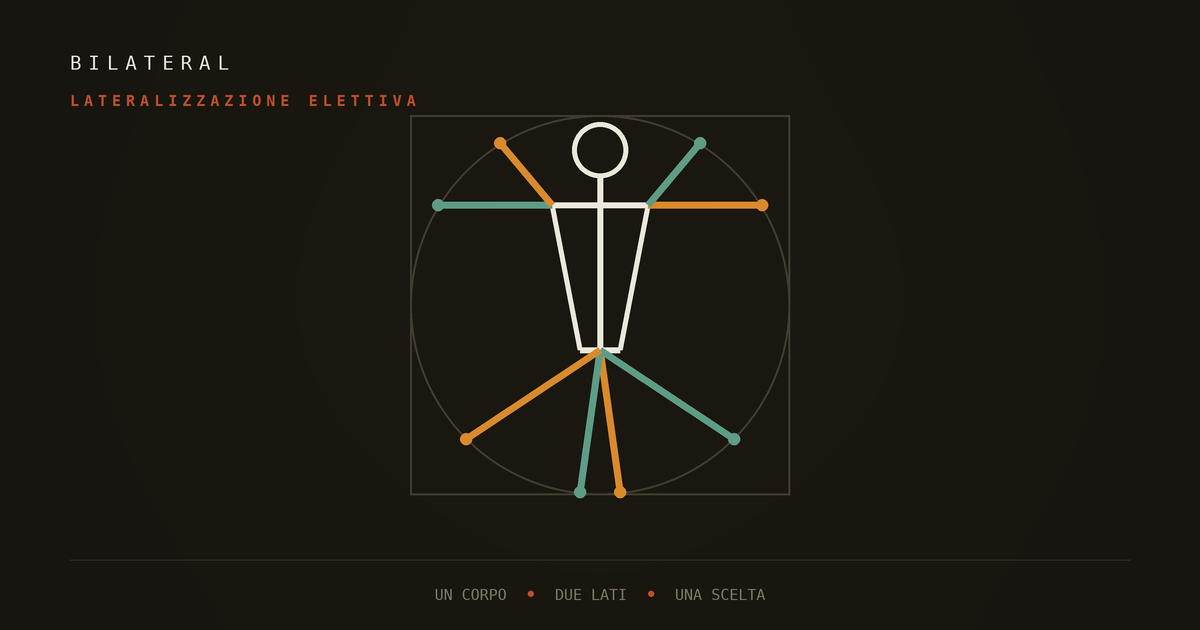
Elective lateralization: what it is, and why it isn’t ambidexterity
Not having two identical sides, but choosing which one leads. The term that tells real ambidexterity from mere double dexterity.
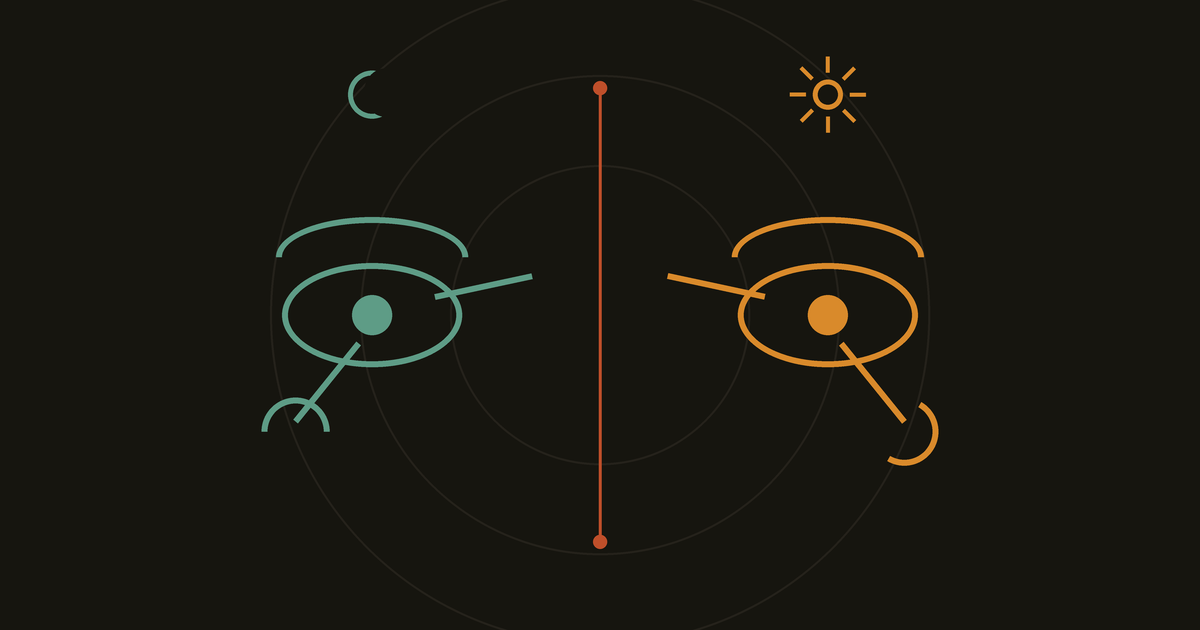
Eye of Horus and Eye of Ra
The Egyptians didn’t leave one eye but two — on opposite sides, with opposite powers: the left lunar that heals, the right solar that strikes. A bilateral reading of the wedjat and of sight with two sides.
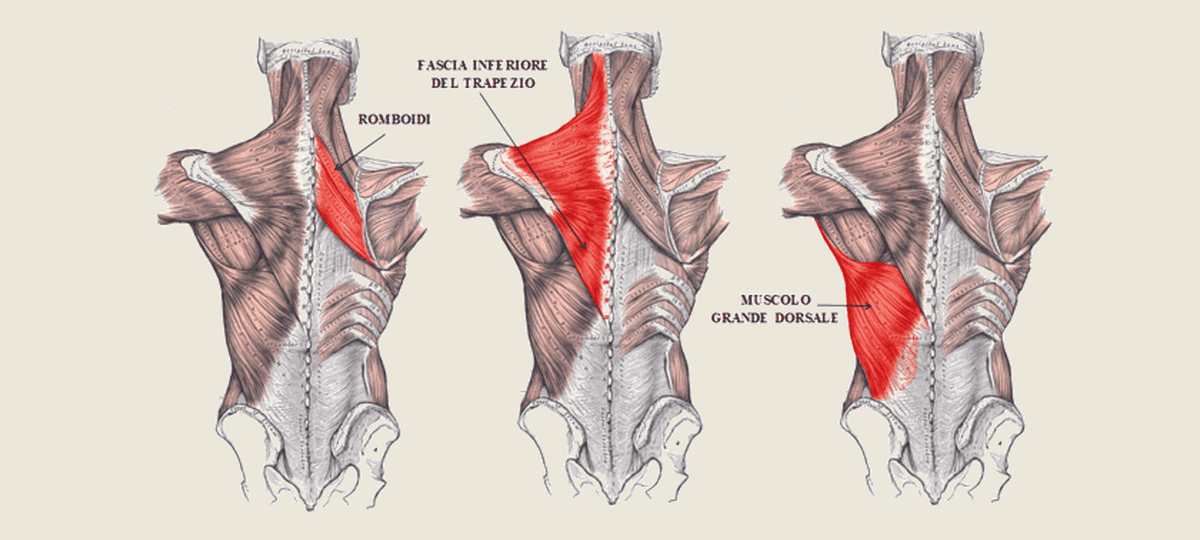
Trapezius pain
Press above one shoulder, then the other: one yields, the other answers like a tight rope. The trapezius doesn’t tighten at random — it locks on the side that carries for two, which is why massage is never enough.
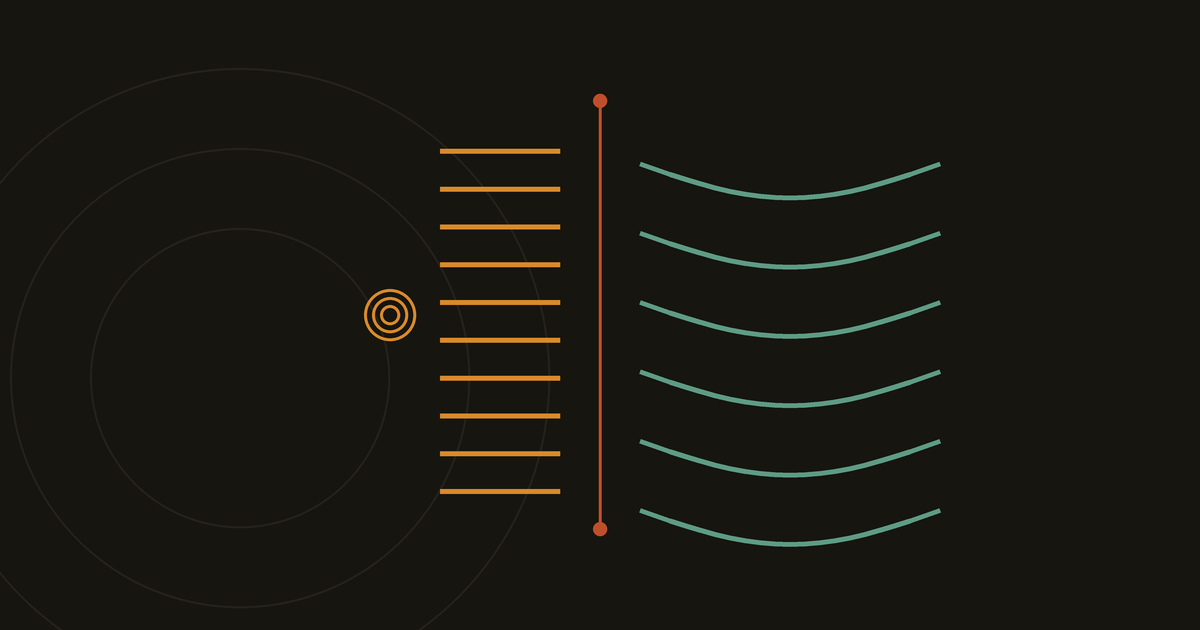
Chronic muscle tension
You touch the shoulder that always bothers you and you already know which side it’s on. Chronic tension has a favourite side — the sign of a body that always holds from the same side. Easing it each time isn’t enough: you have to rebalance who does the work.
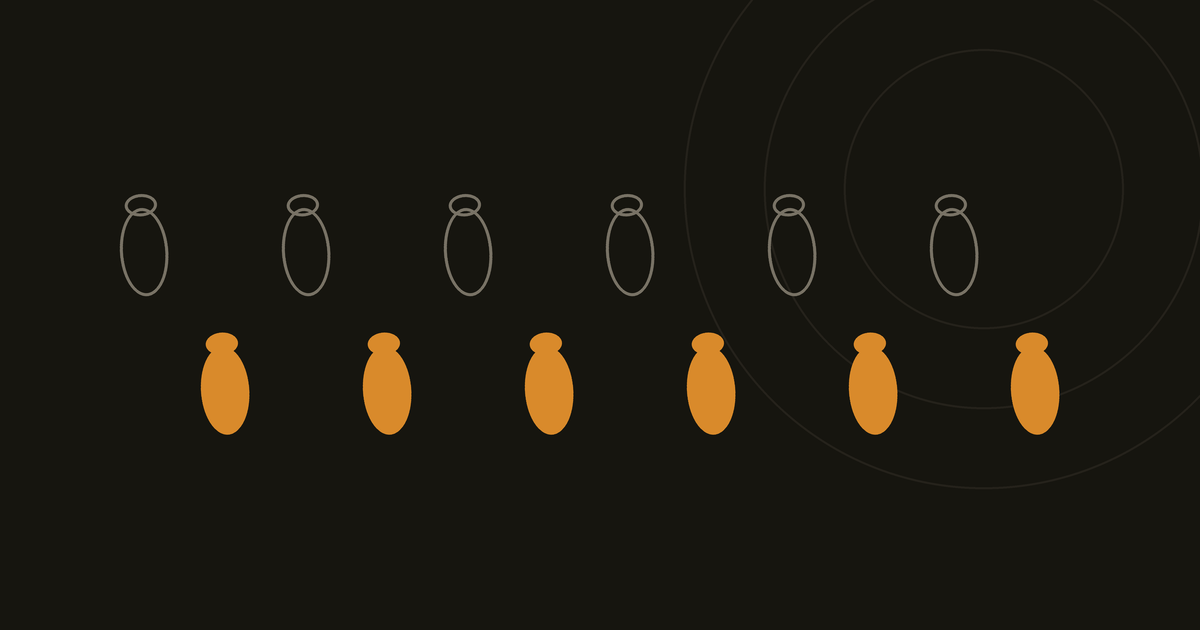
Motor coordination
You always carry the bag on the same shoulder, take the step always with the same foot. You’re not uncoordinated: you’re coordinated on one side only — and the weak side isn’t unable, it’s held back.
What is ambidexterity
The definition «both hands with equal skill» isn’t wrong: it’s insufficient. It ignores the body, the chains, the advantages and the costs — and the real stake, the choice of the side.
How to become ambidextrous
You’re here for tricks, and «write with your other hand» is at the top. It’s the wrong move: first you connect the side, then you choose between two paths. The method, not tricks.
The eight configurations of the body and the eight trigrams
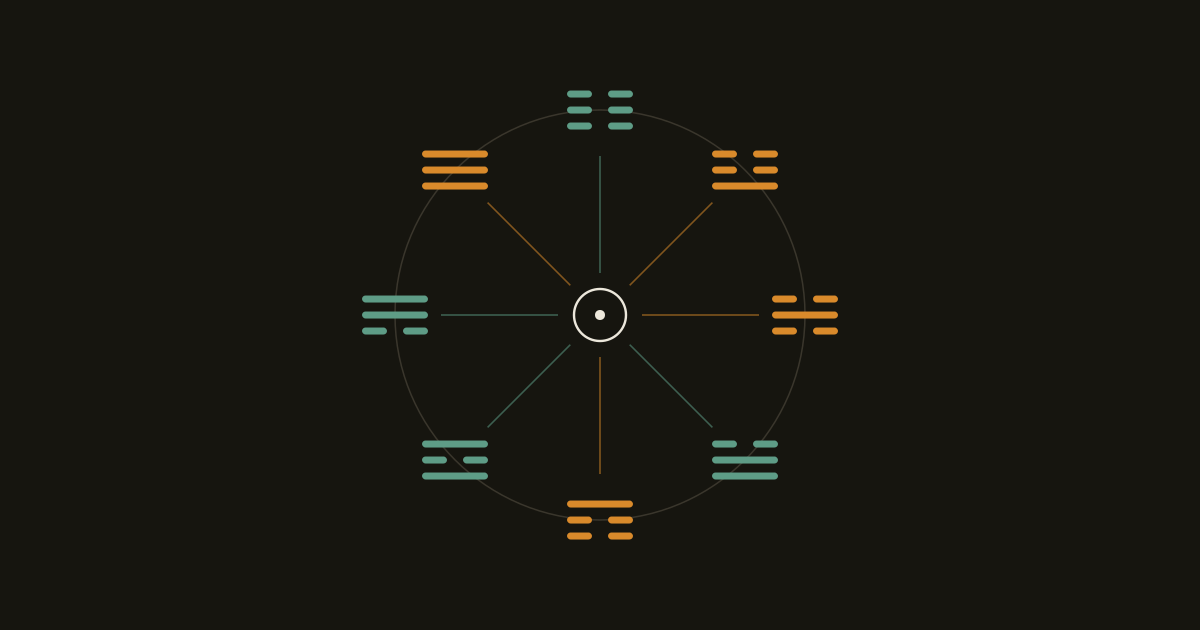
Counting the real choices of a standing body gives eight configurations around a centre — the same figure the Yijing has drawn for millennia. How you get there, and why it isn’t proof.
Read →
Taoism and the two-sided body
No ancient thought describes the bilateral body better than Taoism: not two forces at war, but two poles that keep each other alive — and an art, Taiji, that heals by removing.
No articles in this field yet. Soon.